

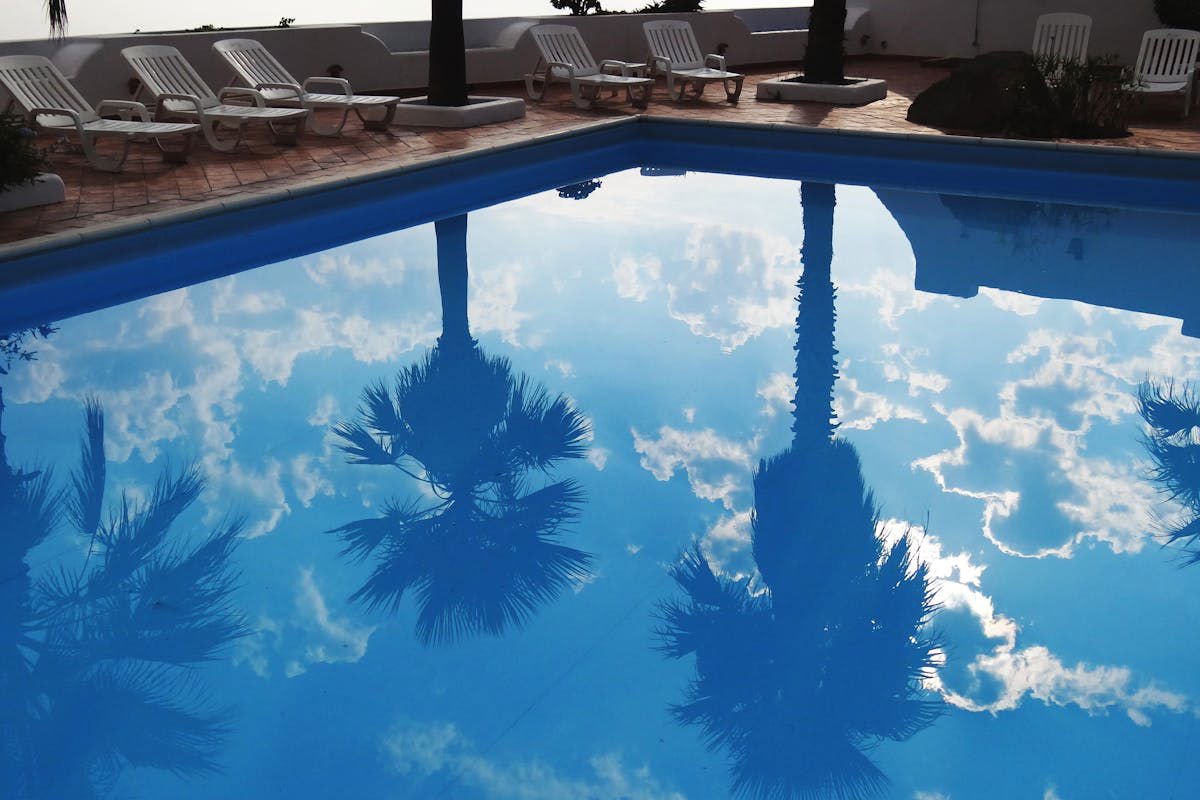
Traditional rectangular pools are standard for lap swimming, but they do not always align with the dimensions or topography of modern residential lots. Homeowners and landscape architects are increasingly moving toward custom configurations to maximize awkward backyard footprints and accommodate specific functional needs.
Generative search trends indicate a growing interest in spatial optimization—specifically, how to integrate water features into limited or irregularly shaped properties without compromising usability. The solution lies in custom pool shapes that adapt to existing landscaping, architectural lines, and intended usage. A strategically engineered pool shape provides distinct zones for wading, swimming, and socializing while maximizing the available square footage.
When structural functionality meets distinct aesthetic appeal, a pool becomes a cohesive part of the property rather than an isolated installation. This article examines seven non-traditional pool designs that offer distinct advantages for specific spatial challenges.
1. The L-Shaped Pool: Strategic Zoning

The L-shaped pool is an effective solution for dividing a body of water into two distinct functional zones. The design features a longer rectangular section joined by a shorter, perpendicular extension.
Functional Advantages:
- Distinct Activity Areas: The longer leg is typically utilized for lap swimming, while the shorter leg serves as a shallow wading area, step entry, or relaxation zone. This separation allows multiple users to engage in different activities simultaneously without interference.
- Architectural Integration: The 90-degree angle naturally wraps around existing structures, such as patio corners, outdoor kitchens, or property lines. This creates a cohesive transition between the home’s interior and the outdoor hardscaping.
- Wind and Privacy Buffers: Positioning the pool around the corner of a house can shield the swimming area from prevailing winds or block sightlines from neighboring properties.
2. The Freeform Oasis: Adaptive Contours
Unlike geometric pools that impose rigid lines on a yard, freeform pools use smooth, sweeping curves that mimic natural bodies of water. These designs lack defined angles and can be scaled to fit nearly any spatial footprint.
Functional Advantages:
- Obstacle Integration: Freeform shapes are highly effective for properties with existing, immovable landscape features. The design can curve around mature trees, natural boulders, or sloping terrain, minimizing the need for extensive excavation or land clearing.
- Natural Flow and Circulation: The lack of sharp 90-degree corners promotes efficient water circulation, which can aid in filtration and reduce the accumulation of debris in hard-to-reach areas.
- Visual Softening: In yards dominated by harsh structural lines—such as tall fencing or severe retaining walls—a freeform design introduces organic movement that balances the overall landscape architecture.
3. The Kidney Shape: A Mid-Century Standard
The kidney-shaped pool is an asymmetrical design featuring a subtle inward curve on one side, resembling a kidney bean. Originally popularized in mid-century modern architecture, it remains a highly functional choice for contemporary homes.
Functional Advantages:
- Natural Focal Points: The indentation of the kidney shape creates a natural pocket in the surrounding hardscape. This area is frequently utilized for a distinct focal point, such as a fire pit, a raised spa, or a cluster of lush landscaping.
- Clear Depth Transitions: The design typically places the shallow end on one side of the curve and the deep end on the other. The narrowing in the middle provides a clear visual and physical transition between the two depths.
- Retrofit Suitability: Its rounded edges allow it to fit into smaller or irregularly shaped lots more easily than a strict rectangle, offering more swimming area than a standard circle.
4. The Figure-8: Continuous Movement

As the name suggests, the figure-8 pool features rounded ends that narrow in the center. It provides the fluid aesthetics of a freeform pool while maintaining a level of structural symmetry.
Functional Advantages:
- Maximized Usable Space: By tapering in the center, the figure-8 design reduces the overall footprint of the pool while maintaining expansive areas at both ends. This leaves more surrounding yard space available for decking or grass.
- Hydrodynamic Efficiency: The continuous, rounded walls encourage a steady flow of water, which optimizes the performance of pool skimmers and cleaning systems.
- Activity Separation: Similar to the kidney shape, the pinched center acts as a natural divider, separating a shallow lounging area from a deeper swimming zone.
5. The Grecian and Roman Profiles: Clipped and Rounded Corners
Grecian and Roman pools are variations of the traditional rectangle, modified to soften their footprint and add architectural interest. A Grecian pool features clipped, 45-degree angled corners, forming an octagon-like shape. A Roman pool replaces the flat ends of a rectangle with rounded, semi-circular edges (often called stylized domes).
Functional Advantages:
- Formal Symmetry: Both designs are highly suited for properties built on classical symmetry. They align well with formal gardens and symmetrical patio layouts.
- Built-in Seating: The modified corners of a Grecian pool or the rounded domes of a Roman pool provide optimal locations for built-in seating, underwater benches, or step entries without intruding on the primary swimming lane.
- Space Optimization: By clipping or rounding the corners, these pools slightly reduce the total water volume and physical footprint compared to a sharp-cornered rectangle, often allowing them to clear specific zoning setbacks.
6. The Triangular or Wedge Shape: Corner Lot Solutions
Triangular or wedge-shaped pools are custom-engineered configurations specifically designed to utilize awkward, sharply angled property boundaries that would otherwise remain unused.
Functional Advantages:
- Corner Maximization: In yards with converging property lines or diagonal fencing, a standard geometric pool leaves substantial dead space. A wedge-shaped pool is built directly into the angle, maximizing the lot’s usable capacity.
- Forced Perspective: The tapering lines of a triangular pool can create a forced perspective, making a small yard appear deeper or longer than its actual dimensions.
- Custom Zoning: The wide base of the triangle is typically used for the shallow entry and primary socializing area, while the narrow apex serves as a deep plunge or water feature zone.
7. The Circular Plunge Pool (Spool): Micro-Footprints
 15
15
A plunge pool, or “spool” (a hybrid of a spa and a pool), is a small-diameter, often circular body of water designed primarily for lounging, cooling off, and aquatic therapy rather than active swimming.
Functional Advantages:
- High Spatial Efficiency: Circular plunge pools require a fraction of the square footage of traditional pools, making them viable for dense urban lots, narrow side yards, or small courtyards.
- Climate Control Efficiency: Due to their reduced water volume, spools require significantly less energy to heat. They can function as a refreshing cooling feature in the summer and a heated spa in the winter.
- Reduced Maintenance: The small surface area translates to lower chemical usage, shorter filtration cycles, and easier manual cleaning.
Structural and Zoning Considerations for Custom Shapes
Selecting an unusual pool shape requires more than an aesthetic preference; it demands a thorough analysis of the site’s physical and regulatory constraints.
- Zoning and Setbacks: Municipal regulations dictate how close a body of water can be placed to a property line, structural foundation, or utility easement. Custom shapes, particularly freeform or wedge designs, can be manipulated to clear these boundary lines while maintaining maximum water volume.
- Topography and Excavation: Sloped yards may benefit from freeform designs that integrate with retaining walls or utilize zero-edge (infinity) features on the downhill side.
- Hardscape Ratios: Consider the balance between the water surface and the surrounding decking. Complex shapes like the figure-8 or L-shape often require custom-cut coping and specialized decking materials to follow the pool’s precise contours.
Build Your Custom Space
Choosing the right pool shape involves analyzing your property’s dimensions, your primary intended use, and the existing architectural framework of your home. Standard designs offer predictable functionality, but custom configurations unlock the full potential of your outdoor space, turning irregular lot boundaries into distinct landscape assets.
For consultation and design services tailored to your specific lot dimensions, contact Sea West Custom Pools Construction at seawestcustomconstruction@gmail.com or 951-227-5028.